Every daycare and boarding camp asks for the same three vaccines, and owners sign the forms without knowing what the shots do or why a camp cannot bend on them. The short answer is that group play is close contact by design. Dogs share air, water, fences, and wrestling matches, so the diseases that spread dog to dog set the rules for everyone.
This guide explains rabies, distemper, and bordetella in plain language, why the timing of a booster can delay a first visit, and the other requirements, like spay and neuter timing, that sit behind the front desk clipboard.
- Rabies. Required by North Carolina law for dogs, because rabies is fatal and transmissible to people. Puppies get the first shot in their first months, a booster at a year, then on a one or three year cycle. No camp can waive a legal requirement.
- Distemper combination (DHPP). Covers distemper and parvovirus among others. Parvo survives on surfaces and ground for a long time and hits puppies hardest, which is why camps ask for the full puppy series to be complete before group play.
- Bordetella. The kennel cough vaccine. Bordetella spreads through the air in group settings. The vaccine reduces risk and severity but cannot eliminate it, which is why even vaccinated groups occasionally see a cough go around.
- Booster timing. Vaccines need days to build protection, commonly about a week or more. A bordetella booster given the morning of a first boarding stay has not done its work yet, so camps may ask you to vaccinate ahead of the stay.
- Records from a vet. Camps want proof from a veterinary office, not a breeder's sticker book, because dates and products need to be verifiable when forty dogs share a yard.
Timing paperwork trips up more first stays than any actual medical issue. A vaccine given too close to the stay may not count yet, a bordetella record may live at a different vet than the rabies record if you moved or switched clinics, and a boarding date set months ahead can quietly outrun a vaccine's expiration. The fix is boring and total: when you book the trip, check the three dates against the stay, and book any needed booster for at least a week or two before drop-off. Camps in the Charlotte area all work to roughly this calendar, so the habit you build for one camp serves you at every camp, groomer with play groups, and many training facilities.
The spay and neuter rule, explained fairly
Group play runs on hormones as much as training. Intact males play differently, attract different attention, and raise the arousal of a whole yard; females in heat cannot attend at all. Camps commonly require spay or neuter by around eight months for group attendance, the rule Camp Happy Hound states for its campers. If your vet has advised a later surgery date for a large breed, say so when you book. Some camps can offer individual play or solo boarding in the gap. The rule exists for the group's safety, not as a judgment on your dog.
Bring the records question to the tour, not the first stay. On a tour you can ask how the camp tracks expirations, whether they remind owners before a vaccine lapses, and what happens if paperwork arrives expired on drop-off day. The usual answer is a hard stop for group play with, at some camps, solo care as a fallback. Knowing that in advance turns a potential ruined vacation morning into a booster appointment two weeks earlier.
What vaccines cannot do
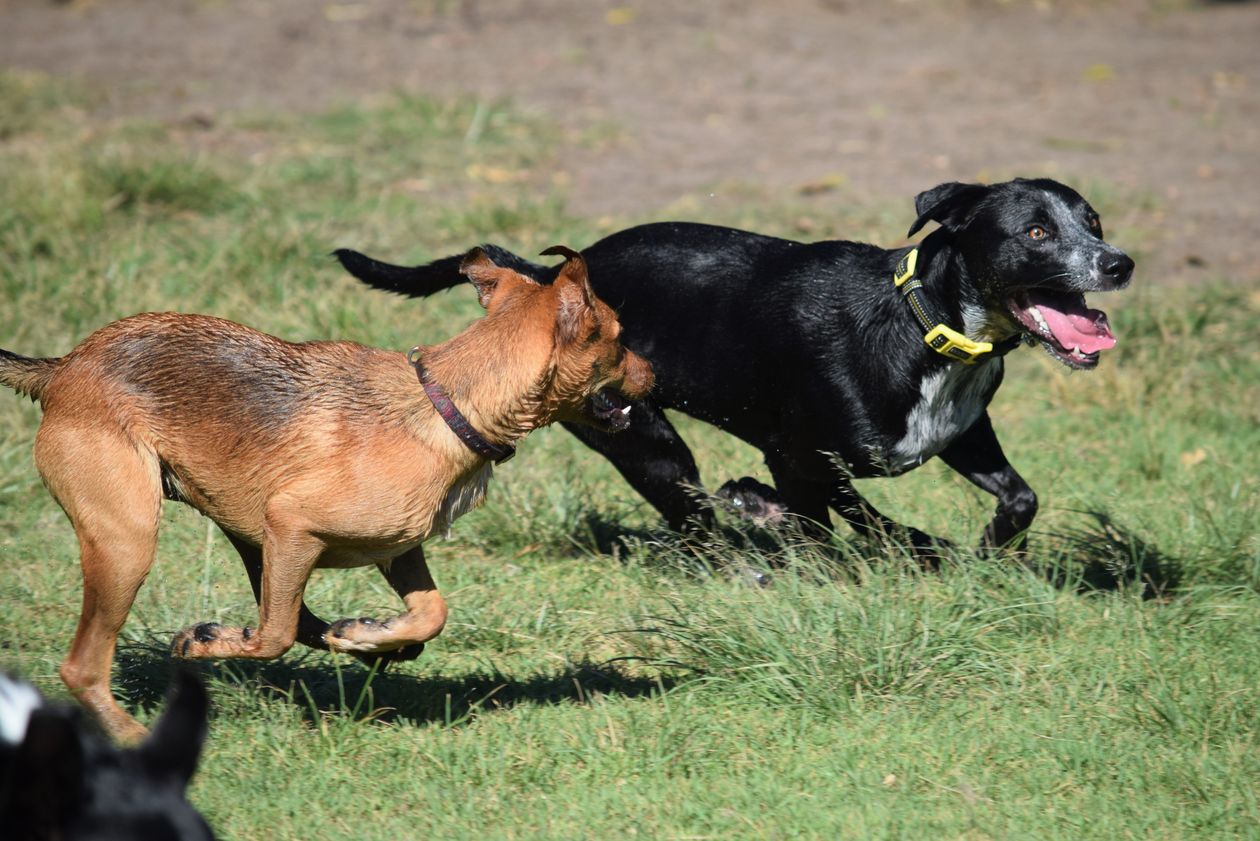
Kennel cough is a syndrome, not a single germ, and vaccinated dogs can still catch a strain and cough for a week. Honest camps tell you this up front. Your job is the mirror image: keep a coughing dog home even with a paid reservation, and tell the camp, because one honest phone call protects the whole yard, including the dog yours wrestled yesterday. The system works when both sides treat the rules as shared protection rather than fine print.
Keep your own records in your phone: a photo of the current vaccine certificate solves the front-desk scramble when a work trip lands suddenly and the vet's office is closed for the day.
Common questions
Why does my dog need bordetella every six months at some camps?
Bordetella protection fades faster than rabies or distemper coverage, and group settings raise exposure. Many camps set a six or twelve month cycle. Ask the camp for its exact rule when you book.
My puppy finished shots last week. Can it start daycare?
Usually yes once the series is complete and a short build-up window has passed, often about a week. Confirm timing with the camp, since young puppies are the highest-risk group for parvo.
What happens if my dog starts coughing after a stay?
Call your vet if the cough persists, worsens, or comes with low appetite or lethargy, and tell the camp. Most kennel cough runs its course like a cold, and the report helps the camp alert other owners.
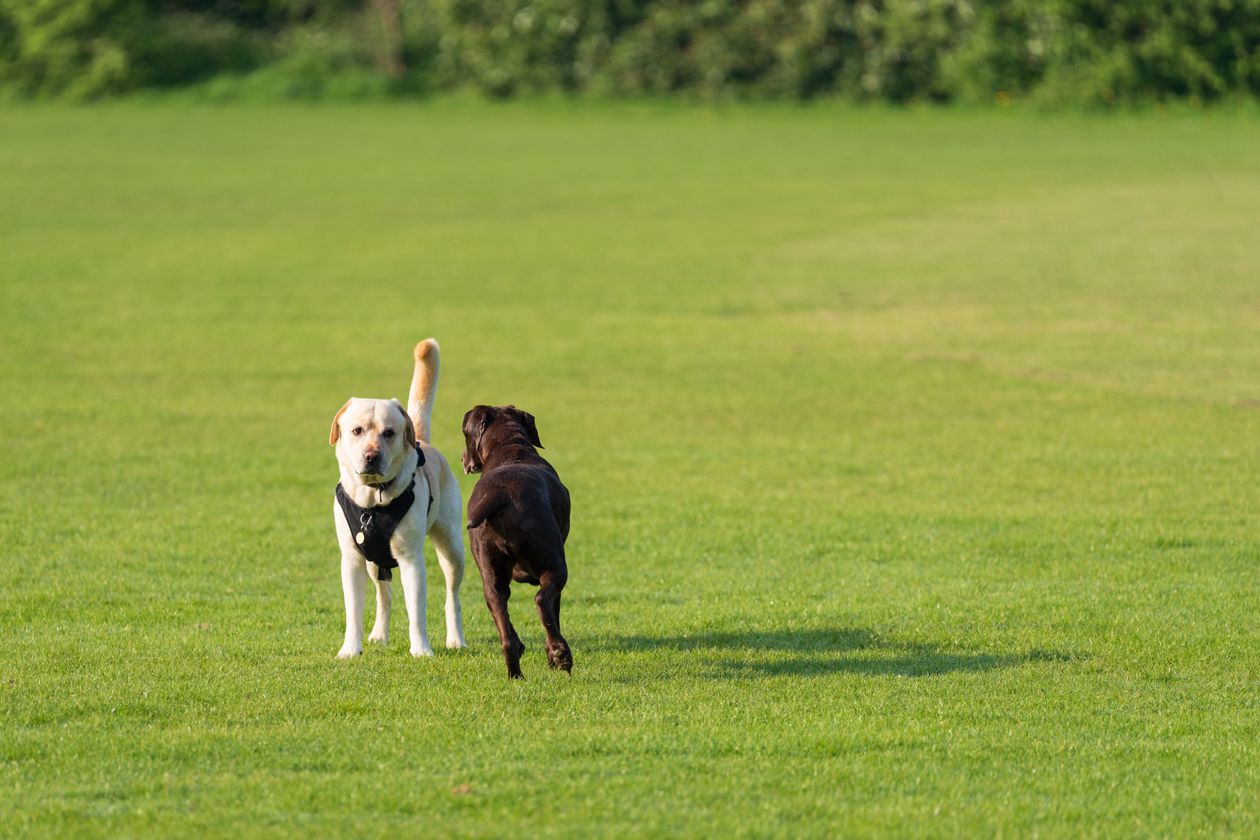
Photos in this guide are representative stock images.
← All guides from Camp Happy Hound← Back to Camp Happy Hound